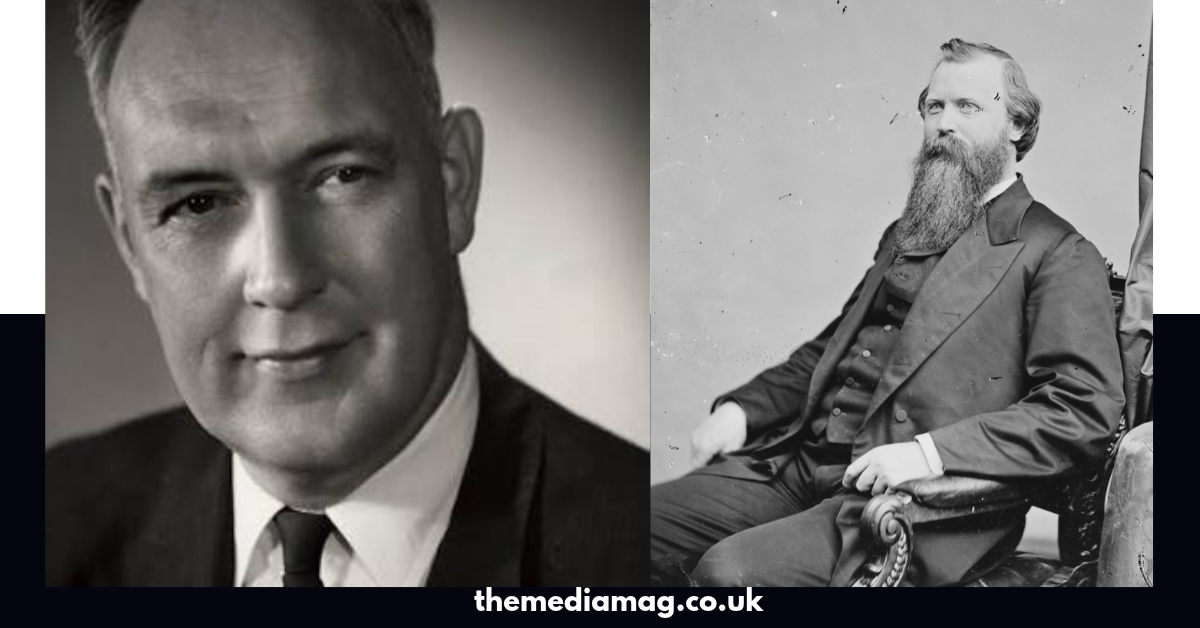
Searching for William Stewart can lead to several different people, making it difficult to identify the right biography. The name appears in military history, politics, exploration, art, and public service. Without the correct historical context, readers may confuse their careers, family backgrounds, and achievements. This guide explains who William Stewart may refer to, highlights notable historical figures with this name, and provides reliable sources to help you find accurate information.
Who Was William Stewart?
William Stewart is a name shared by multiple historical figures rather than one universally recognized individual. These men lived in different periods and countries and followed different professional paths.
For example, William Stewart (1769–1854) was a Scottish-born British military officer who served as lieutenant-governor of New South Wales. William Morris Stewart (1827–1909) was an American lawyer and politician who represented Nevada in the United States Senate.
Another notable figure, Sir William Drummond Stewart (1795–1871), became known for his military background and travels in the American West. Identifying the person’s dates, occupation, or country is therefore the best way to find the correct biography.
Why Is William Stewart a Name of Historical Interest?
The name appears in several areas of public life, including military service, government, exploration, and the arts. Historical records document individuals who held public office, participated in important events, or contributed to their professional fields.
Three factors help explain the name’s historical reach:
- Geographic connections: People named William Stewart lived and worked in Scotland, England, Australia, and the United States, among other places.
- Different professions: The name appears in records relating to soldiers, politicians, artists, explorers, and public officials.
- Different historical periods: The people associated with the name lived across several centuries.
These differences make it important to check primary records and established biographical references instead of assuming that every search result describes the same person.
William Stewart (1769–1854): Military Officer and Colonial Administrator
One historically documented person named William Stewart was born in Caithness, Scotland, in 1769. He pursued a military career in the British Army and served in several overseas campaigns before becoming involved in colonial administration.
According to the Australian Dictionary of Biography, Stewart joined the 101st Regiment in 1794. He later served in the West Indies, participated in the Peninsular War, and commanded troops during the War of 1812 in North America.
His military service brought promotions and further responsibilities. In 1825, he became lieutenant-governor of New South Wales, where he briefly administered the colony before the arrival of Governor Ralph Darling.
His Role in New South Wales
Stewart’s time in colonial government was brief but historically documented. He temporarily governed New South Wales for 18 days in December 1825, following the departure of Governor Sir Thomas Brisbane.
During his period in office, Stewart issued a proclamation concerning postal rates, established a small mounted police force, and pardoned several convicts facing capital punishment.
He relinquished his lieutenant-governorship in 1827 and returned to military service in India. After retiring, he returned to New South Wales and lived near Bathurst until his death on 8 April 1854.
Key fact: This William Stewart’s biography connects British military history with the early administration of colonial Australia.
William Morris Stewart: The American Politician
William Morris Stewart was a different historical figure who became known for his legal career and political work in the United States.
Born in 1827, he moved west during the period associated with the California Gold Rush. He developed a career as a mining lawyer before entering politics in Nevada.
The United States Senate’s official biography identifies Stewart as Nevada’s first senator, elected in 1865. He served in the Senate for more than 20 years across two periods of service and became associated with mining policy, western economic development, and irrigation rights.
His Political Achievements
William Morris Stewart played a role in several important political developments:
- He participated in Nevada’s constitutional convention in 1863.
- He became one of Nevada’s first two U.S. senators in 1865.
- He worked on legislation involving western development and mining.
- He returned to the Senate in 1887 after a period in private legal practice.
- He was associated with the debate over silver and American monetary policy.
His career illustrates how legal expertise and regional economic concerns shaped political leadership in the nineteenth-century United States.
Sir William Drummond Stewart: Soldier and Western Explorer
Sir William Drummond Stewart was born in Scotland in 1795 and initially pursued a military career. He served during the Napoleonic era, including the Waterloo campaign, before leaving military service in 1820.
He later traveled to the United States, where he explored parts of the American West. The National Park Service records his journey to the 1833 Horse Creek Rendezvous, an important gathering associated with fur traders, trappers, and mountain men.
His travels brought him into contact with well-known figures of western exploration, including Jim Bridger and Thomas Fitzpatrick.
Stewart’s biography differs significantly from those of the colonial administrator and American senator. His historical importance lies primarily in his travels, connections with the fur-trade world, and place in accounts of nineteenth-century western exploration.

William Stewart in Art and Other Fields
The name is not limited to military or political history. Several other individuals named William Stewart or known by related forms of the name contributed to different professional fields.
For example, William Arnold Stewart (1882–1953), known as W. A. Stewart, was an English artist and craftsman. He studied at the Royal College of Art and became known for artistic work and the reconstruction of ancient Egyptian furniture associated with Queen Hetepheres.
Other people with the same or similar names include musicians, athletes, writers, religious figures, and public officials. These individuals should be researched separately because their biographies, accomplishments, and personal histories are not interchangeable.
Complete Table of Notable People Named William Stewart
The following table summarizes several documented individuals who can help readers identify the person they are researching.
| Name | Dates | National or historical connection | Known for |
| William Stewart | 1769–1854 | Scotland and New South Wales | British military officer and lieutenant-governor |
| William Morris Stewart | 1827–1909 | United States, especially Nevada | Lawyer, mining litigator, and U.S. senator |
| Sir William Drummond Stewart | 1795–1871 | Scotland and the American West | Soldier and western explorer |
| William Arnold Stewart (W. A. Stewart) | 1882–1953 | England | Artist and craftsman |
| William W. Stewart | 1776–1851 | New Zealand and the Pacific region | Sealer, whaler, and maritime trader |
Important: This is a selection of notable people, not a complete list of everyone who has used the name. Dates and biographical details should be checked against the relevant historical record before publication or academic use.
How Can You Identify the Correct William Stewart?
If you encountered the name in an article, family record, book, or historical document, a few details can help narrow the search.
- Check the dates. A birth or death year can quickly distinguish people who lived centuries apart.
- Identify the occupation. Determine whether the person was a politician, soldier, artist, explorer, or another professional.
- Look for a location. References to Nevada, New South Wales, Scotland, or the American West can provide useful clues.
- Review the original source. Official biographies, archives, historical registers, and institutional records are generally more useful than unsourced summaries.
- Compare multiple details. Confirm that the person’s dates, occupation, and historical connections agree across reliable sources.
This approach helps prevent incorrect claims about family relationships, education, career history, and achievements.
What Do Historical Sources Tell Us About William Stewart?
Reliable biographical sources provide different types of evidence. An official government biography may document political service, while an academic historical dictionary may offer more detailed information about a military career or colonial appointment.
For example, the Australian Dictionary of Biography provides a detailed account of the life and service of William Stewart (1769–1854). The United States Senate provides an institutional account of William Morris Stewart, and the National Park Service documents the life of William Drummond Stewart.
When researching any William Stewart, readers should distinguish between documented facts, historical interpretation, and details that remain uncertain. This is particularly important when discussing family history or personal relationships, which may not appear in official public records.
William Stewart’s Family and Personal Life
Family information depends on which individual the search concerns. The name alone does not establish a shared family background or relationship between the historical figures discussed above.
The Australian Dictionary of Biography reports that William Stewart (1769–1854) married Sylvia Anne Wolfe and had four children: three daughters and one son, James Horne Stewart.
That information belongs to this particular historical figure. It should not be attributed to William Morris Stewart, William Drummond Stewart, or another person with the same name.
Researchers interested in genealogy should consult historical birth, marriage, death, census, and archival records where available. Such records can help establish family connections without relying on assumptions based on a shared surname.
Why Accurate Identification Matters
A biography becomes more useful when it clearly separates people who share a name. Mixing up two individuals can lead to incorrect dates, misleading career claims, and false family connections.
For readers, students, writers, and genealogists, accuracy starts with identifying the correct person. For publishers, providing a clear explanation of the name’s ambiguity can also make an article more helpful to readers arriving through different search queries.
A well-researched profile should include relevant dates, verified professional details, historical context, and citations that allow readers to check important claims independently.
Primary and Authoritative Sources for William Stewart
Use the following institutional and scholarly resources to verify historical details and explore each biography further.
- Australian Dictionary of Biography — William Stewart (1769–1854). An academic biography covering his military service, colonial administration, and later life.
https://adb.anu.edu.au/biography/stewart-william-2700 - United States Senate — William Morris Stewart. An official congressional biography covering his legal and political career.
https://www.senate.gov/senators/FeaturedBios/Featured_Bio_Stewart.htm - National Park Service — William Drummond Stewart. An official historical profile documenting his military background and western travels.
https://www.nps.gov/people/williamdrummondstewart.htm - Australian Dictionary of Biography — Life Summary of William Stewart. A concise biographical record with key dates and occupations.
https://adb.anu.edu.au/lifesummary/stewart-william-2700
These sources offer a reliable starting point for further research. Consult the specific biography that matches the dates and profession of the individual you need.
Frequently Asked Questions
William Stewart was the name of several historical figures. One was a British military officer and lieutenant-governor of New South Wales, while another, William Morris Stewart, was an American senator.
Yes, some notable people with this name held political or administrative positions. William Morris Stewart served as a U.S. senator for Nevada, and William Stewart (1769–1854) briefly governed New South Wales.
The answer depends on the individual. William Stewart, the military officer and colonial administrator, was born in 1769, while William Morris Stewart was born in 1827.
There is no single answer because several people share the name. Their achievements include military service, colonial administration, American politics, western exploration, and artistic work.
Yes, historical records document family details for particular individuals. William Stewart (1769–1854), for example, married Sylvia Anne Wolfe and had four children, according to the Australian Dictionary of Biography.
Start with academic biographical dictionaries, government websites, and national historical institutions. The Australian Dictionary of Biography, United States Senate, and National Park Service provide documented information about several notable people with this name.
Conclusion
William Stewart is a historically significant name associated with several different individuals, each with a distinct background and career. From military service and colonial administration to American politics, western exploration, and art, these biographies demonstrate why accurate identification matters.
The best way to learn about a particular William Stewart is to match the name with dates, location, occupation, and reliable historical records. Use the sources in this guide to verify the details, and share the relevant dates or profession when discussing a specific individual so readers can find the correct biography.